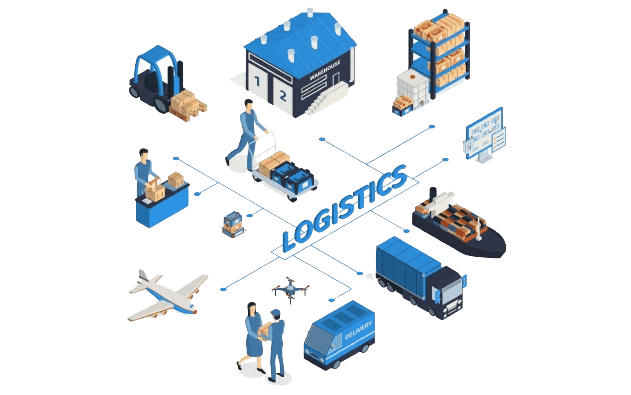
The logistics and supply chain sector is the backbone of global trade, encompassing transportation, warehousing, distribution, and inventory management. Expanding into new markets requires optimizing logistics networks, managing supply chain risks, and ensuring regulatory compliance. SKY Excelerate offers tailored services to help logistics companies scale internationally.
Developing and implementing strategies to optimize global supply chains for efficiency, cost-effectiveness, and resilience.
Designing and optimizing logistics networks, including transportation routes, warehousing facilities, and distribution centers.
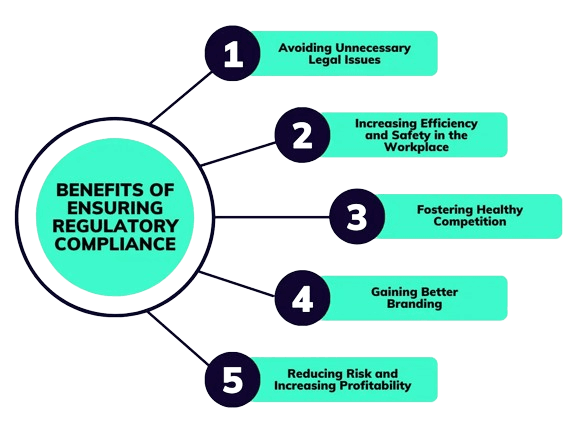
Ensuring compliance with international trade regulations, customs requirements, and environmental standards.
Implementing advanced logistics technologies, such as IoT, AI, and blockchain, to enhance supply chain visibility and efficiency.
Developing strategies to manage supply chain risks, including disruptions, delays, and geopolitical challenges.
Supply Chain Analysis:
Analyzing existing supply chains to identify bottlenecks, inefficiencies, and opportunities for improvement.
Regulatory Landscape Review:
Understanding local and international trade regulations, customs procedures, and environmental standards.
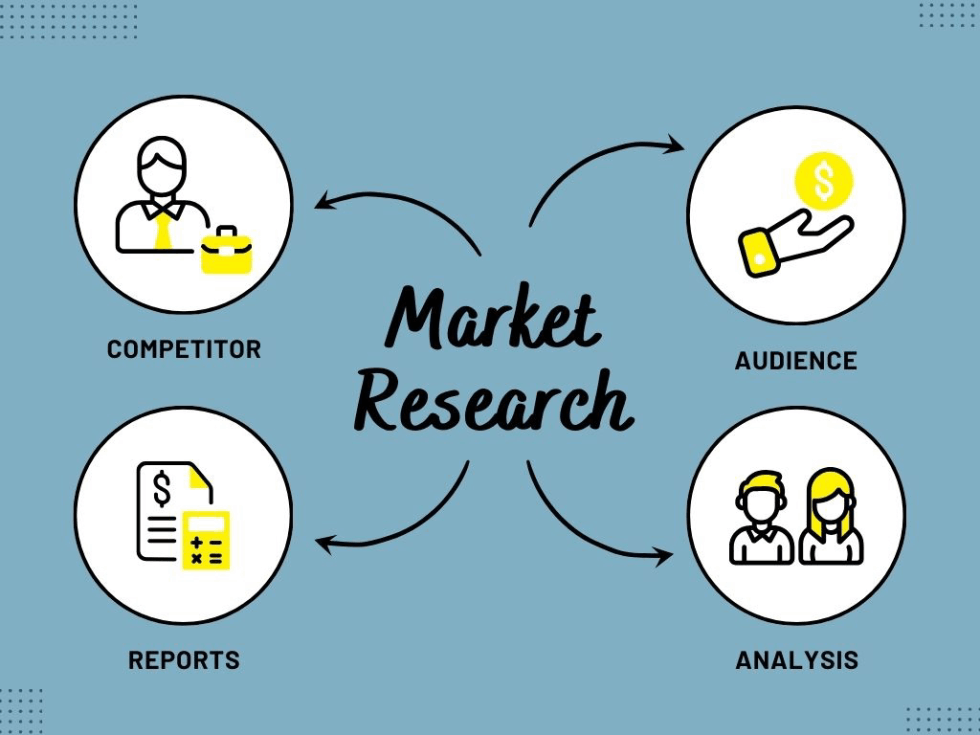
Competitor Analysis:
Assessing the competitive landscape, including key players in the logistics and supply chain sector in target markets.
REPORTS
ANALYSIS
AUDIENCE
RESEARCH
Supply Chain Mapping:
Mapping out the entire supply chain, from raw material sourcing to final delivery, to identify opportunities for optimization.
Cost-Benefit Analysis:
Evaluating the costs and benefits of different supply chain strategies, including outsourcing, insourcing, and nearshoring.
Sustainability Planning:
Developing strategies to reduce the environmental impact of logistics operations, including carbon footprint reduction and waste minimization.
TRANSPORT
ANALITICS
STRATEGIES
DELIVERY
Transportation Optimization:
Designing efficient transportation routes, considering factors such as distance, cost, and transit time.
Warehouse and Distribution Center Design:
Planning and establishing warehouses and distribution centers in strategic locations to minimize lead times and costs.
Inventory Management:
Implementing inventory management strategies to balance supply and demand, reduce stockouts, and minimize holding costs.
TRANSPORT
TIME MANAGEMENT
COSTS
LOCATIONS
Customs Compliance:
Ensuring compliance with customs regulations, including tariff classifications, import/export documentation, and duty payments.
Environmental Compliance:
Adhering to environmental regulations related to transportation emissions, waste management, and packaging materials.
Trade Certifications:
Obtaining necessary certifications, such as Authorized Economic Operator (AEO) status, to facilitate smoother international trade.
LICENSE
PROTECTION
REGULATIONS
AGREEMENTS
IoT and Real-Time Tracking:
Implementing IoT devices for real-time tracking of shipments, inventory levels, and equipment status.
AI and Predictive Analytics:
Leveraging AI and predictive analytics to forecast demand, optimize inventory levels, and predict potential disruptions.
Blockchain for Transparency:
Using blockchain technology to enhance transparency, traceability, and security in the supply chain.
IOT IMPLEMENT
INVENTORY
PLANNING
TRACKING
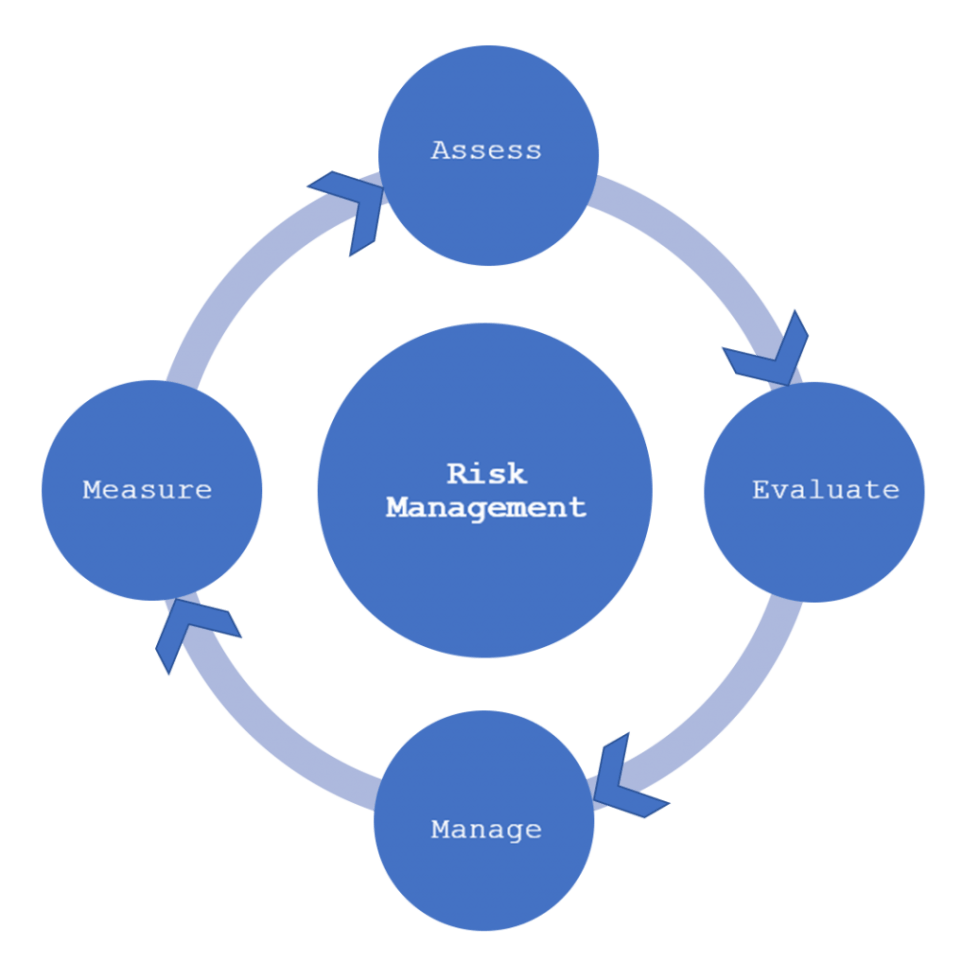
Risk Assessment:
Identifying potential risks, including natural disasters, geopolitical tensions, and supply chain disruptions.
Contingency Planning:
Developing contingency plans to mitigate the impact of supply chain disruptions, including alternative sourcing and routing options.
Supplier Diversification:
Diversifying the supplier base to reduce dependence on single sources and improve supply chain resilience.
RISK
EVALUATE
MANAGE
SUCCESS
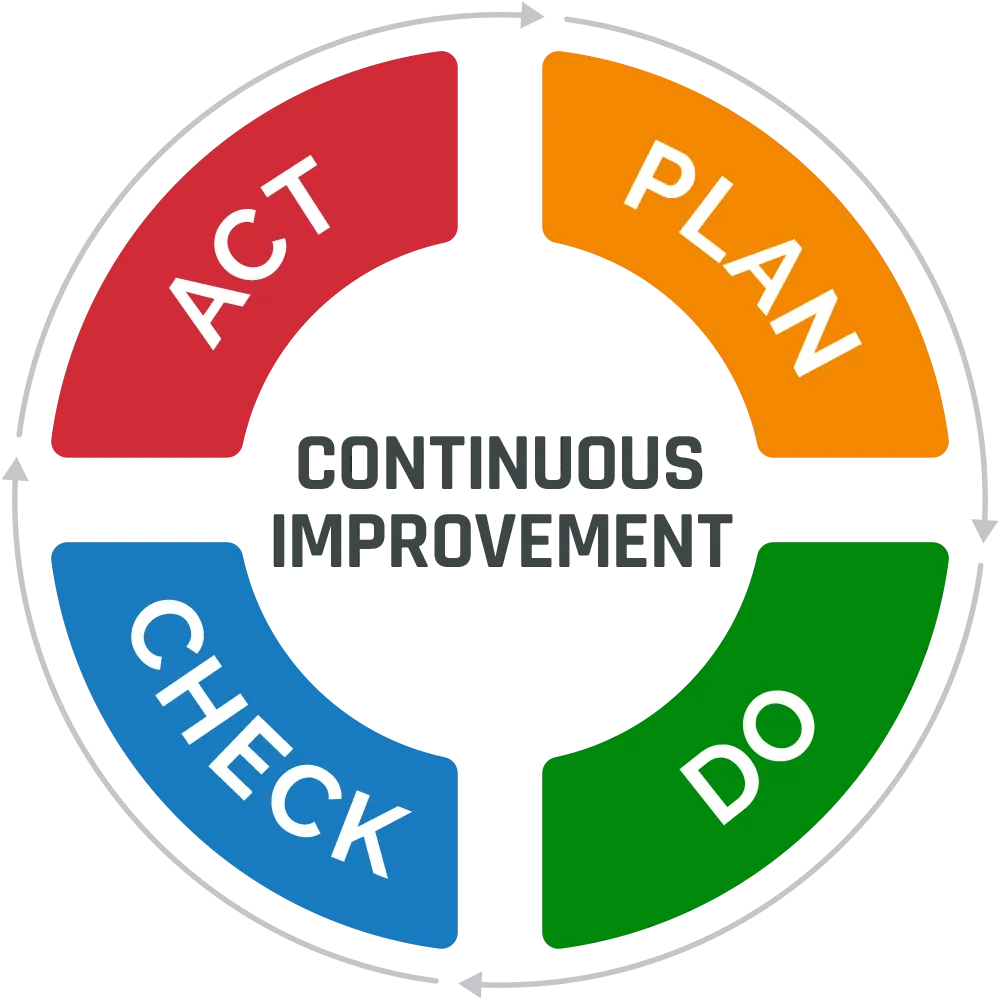
Performance Metrics:
Tracking key logistics and supply chain metrics, such as on-time delivery, transportation costs, and inventory turnover.
Customer Feedback and Improvement:
Collecting feedback from customers and partners to continuously improve logistics operations and service delivery.
Sustainability in Supply Chain:
Promoting sustainable logistics practices, including green transportation options, energy-efficient warehouses, and eco-friendly packaging.
CONTINUE
ACT
CHECK
IMPROVEMENT