sky excelerate education sector

MANUFACTURING SECTOR

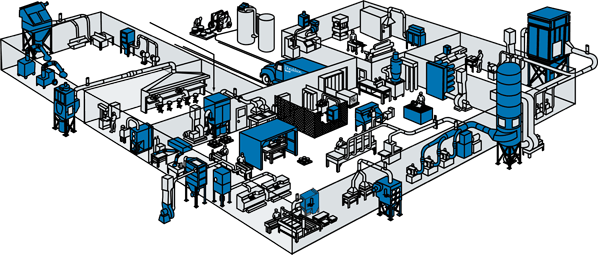
The manufacturing sector is a cornerstone of industrial economies, encompassing production processes, supply chain management, and product innovation. Expanding manufacturing operations internationally requires optimizing production efficiency, ensuring quality control, and navigating regulatory landscapes. SKY Excelerate provides comprehensive support to manufacturing companies aiming to scale their operations globally.
Services Overview:

Global Manufacturing Strategy

Developing strategies to optimize production processes, reduce costs, and improve efficiency across international operations.

Factory Setup and Optimization

Assisting in the setup and optimization of manufacturing facilities in new markets, including site selection, equipment installation, and process improvement.

Supply Chain Integration

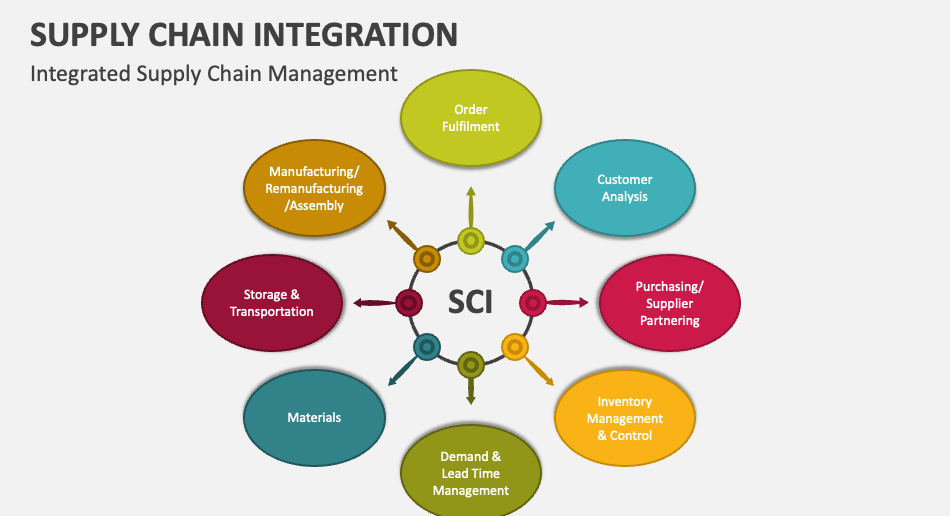
Integrating supply chains to ensure seamless flow of materials, components, and finished goods across borders.

Quality Control and Compliance

Ensuring that products meet international quality standards and regulatory requirements.

Innovation and R&D Support

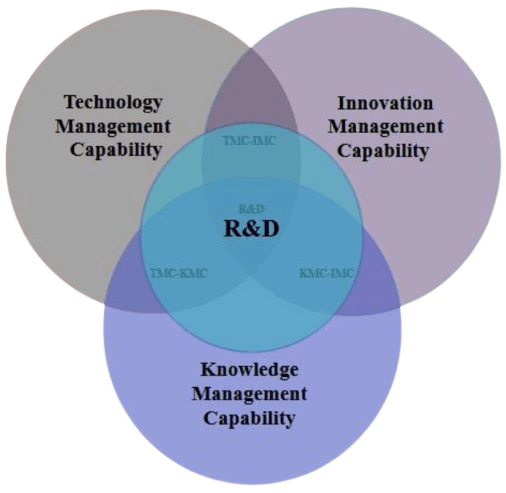
Facilitating innovation through R&D partnerships, technology transfer, and product development initiatives.

Step-by-Step Implementation Process:

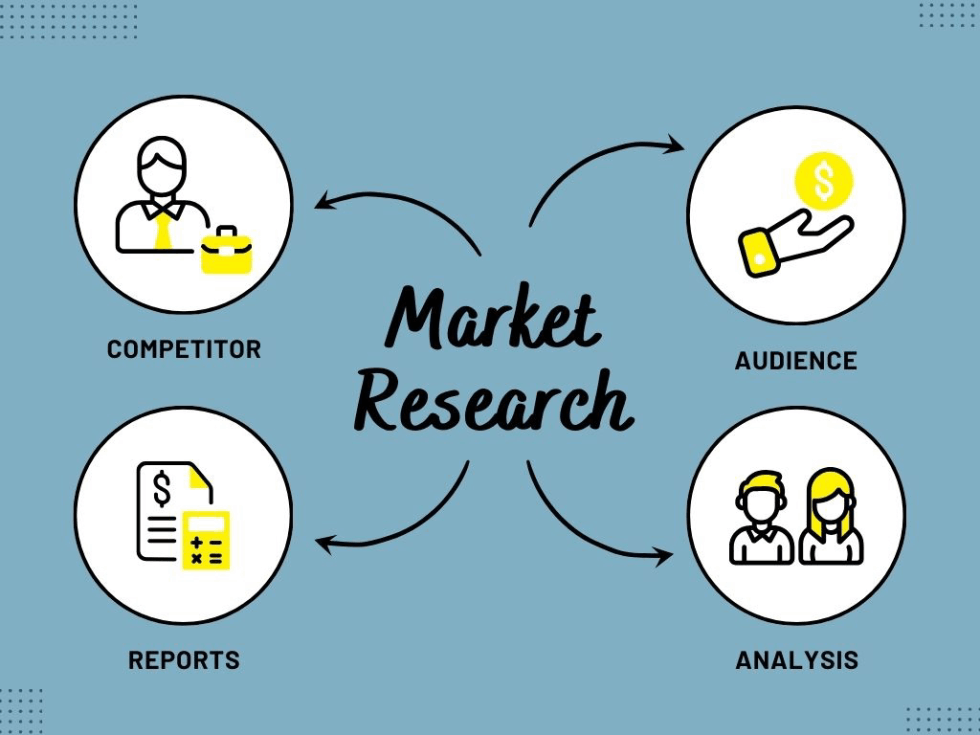
Manufacturing Ecosystem Analysis:
Analyzing local manufacturing ecosystems, including availability of skilled labor, raw materials, and infrastructure.

Cost-Benefit Analysis:
Evaluating the costs and benefits of establishing manufacturing operations in different regions, including labor costs, tax incentives, and logistics.

Regulatory Review:
Understanding local manufacturing regulations, including environmental standards, labor laws, and safety requirements.

REPORTS

ANALYSIS

AUDIENCE

RESEARCH

Production Optimization:
Developing strategies to optimize production processes, including lean manufacturing, automation, and waste reduction.

Capacity Planning:
Planning production capacity to meet global demand, considering factors such as market trends, seasonality, and supply chain constraints.

Sustainability Planning:
Implementing sustainable manufacturing practices, including energy efficiency, waste reduction, and eco-friendly materials.

PRODUCTION

PLANNING

STORING CAPACITY

DEMANDS

Site Selection:
Identifying and selecting optimal sites for manufacturing facilities, considering factors such as proximity to suppliers, transportation networks, and labor availability.

Equipment Installation:
Assisting in the installation and commissioning of manufacturing equipment, including machinery, robotics, and production lines.

Process Improvement:
Implementing process improvement initiatives, such as Six Sigma, to enhance production efficiency, reduce defects, and improve product quality.

SITE LOCATION

INSTALLATION

MAINTAINANCE

PROCESS

Supplier Relationship Management:
Building and managing relationships with key suppliers to ensure a reliable supply of raw materials and components.

Inventory Management:
Implementing inventory management strategies to minimize stockouts, reduce lead times, and optimize working capital.

Logistics and Distribution:
Developing logistics strategies to ensure timely and cost-effective delivery of raw materials, components, and finished goods.

ORDER

DELIVERY

TRANSPORT

DEMANDS

Quality Management Systems (QMS):
Implementing QMS frameworks, such as ISO 9001, to ensure consistent product quality across international operations.

Regulatory Compliance:
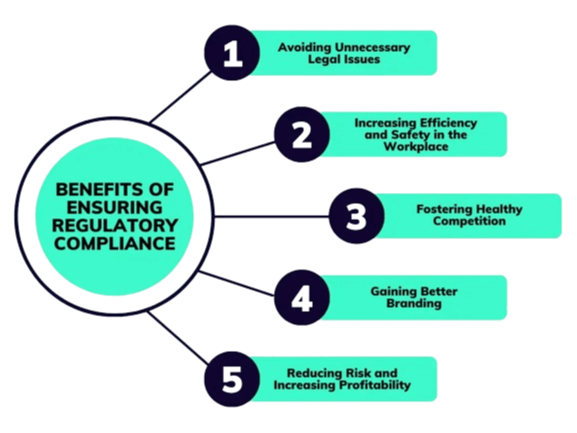
Ensuring compliance with local and international manufacturing regulations, including safety standards, environmental laws, and product certifications.

Product Testing and Certification:
Conducting product testing and obtaining necessary certifications to meet the quality and safety standards of target markets.

COMPLIANCE

REGULATORY

PLANNING

BRANDING

Technology Transfer:
Facilitating technology transfer between global operations to enhance production capabilities and introduce new manufacturing techniques.

R&D Collaboration:
Partnering with local research institutions, universities, and technology firms to drive innovation and product development.

Product Development:
Supporting the development of new products tailored to local market needs, including prototyping, testing, and commercialization.

MARKETING

MANAGEMENT

SUPPORT

DEVELOPMENT

Performance Metrics:
Tracking key manufacturing metrics, such as production efficiency, defect rates, and on-time delivery, to evaluate success.

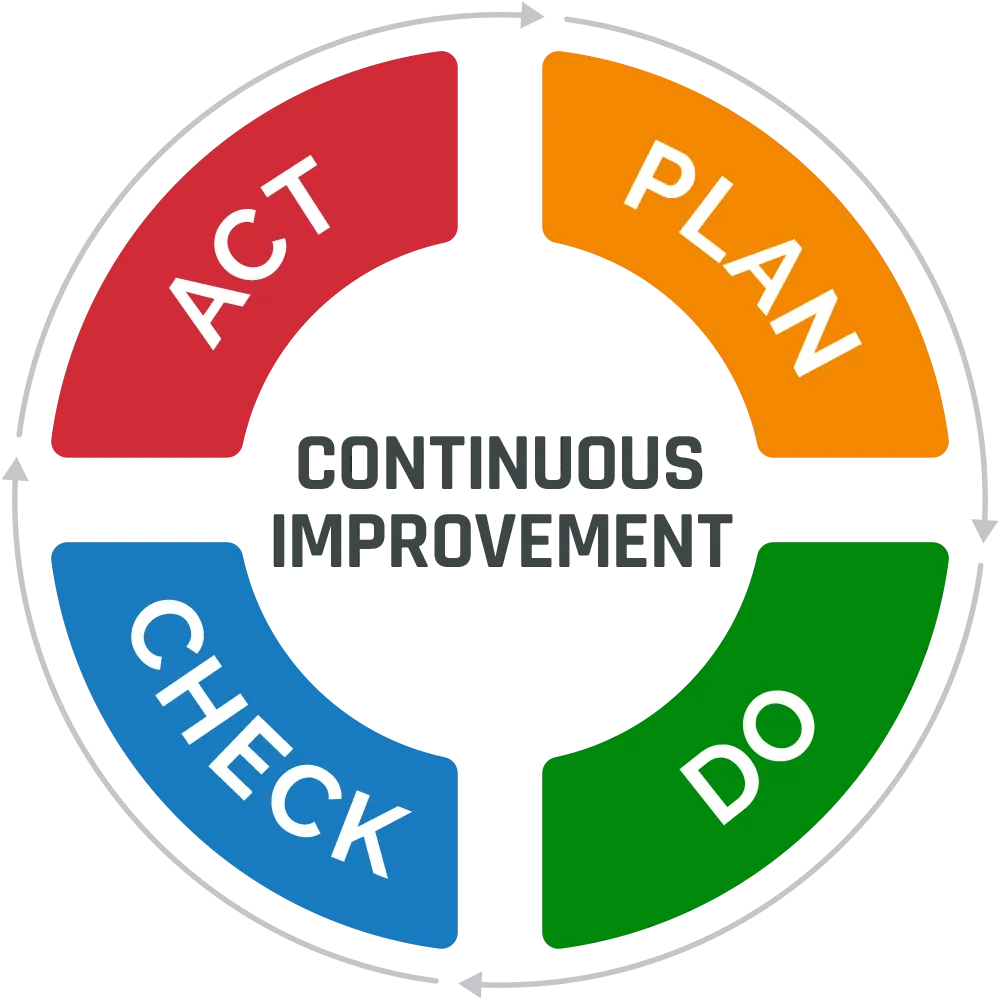
Continuous Improvement Initiatives:
Implementing continuous improvement initiatives, such as Kaizen, to enhance manufacturing processes and product quality.

Sustainability in Manufacturing:
Promoting sustainable manufacturing practices, including green manufacturing, circular economy models, and responsible sourcing.

CONTINUE

ACT

CHECK

IMPROVEMENT