sky excelerate education sector

TRANSPORTATION SECTOR

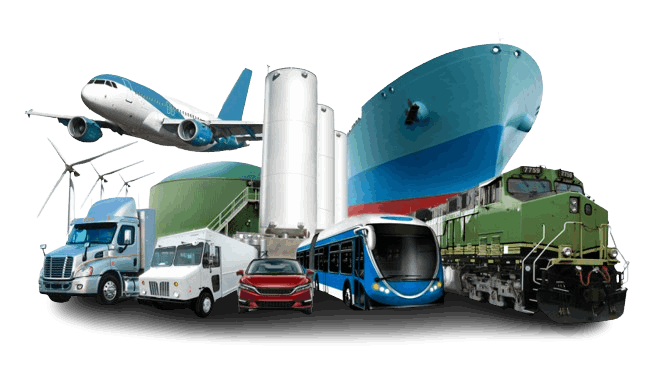
The transportation sector is a critical enabler of global trade and commerce, encompassing logistics, shipping, aviation, and public transportation. Expanding internationally requires optimizing logistics networks, navigating regulatory environments, and adopting innovative technologies. SKY Excelerate offers comprehensive support to help transportation businesses expand globally while enhancing efficiency and sustainability.

Services Overview:

Global Market Entry Strategy

Developing strategies to enter and expand in international transportation markets, including market research, logistics planning, and regulatory compliance.

Logistics and Supply Chain Optimization

Streamlining logistics networks to enhance efficiency, reduce costs, and improve service reliability.

Technology Integration and Innovation

Assisting in the adoption of transportation technologies, such as autonomous vehicles, telematics, and smart logistics solutions.

Sustainable Transportation Practices

Promoting sustainable transportation practices that reduce environmental impact and improve resource efficiency.

Risk Management and Contingency Planning

Identifying and mitigating risks associated with transportation operations, including regulatory changes, supply chain disruptions, and natural disasters.

Step-by-Step Implementation Process:

Transportation Market Analysis:
Analyzing target markets to assess demand for transportation services, including freight, passenger, and logistics services.

Regulatory Review:
Understanding local transportation regulations, including safety standards, environmental regulations, and licensing requirements.

Competitive Landscape Review:
Evaluating the competitive landscape, including key transportation providers, market share, and technological capabilities. 

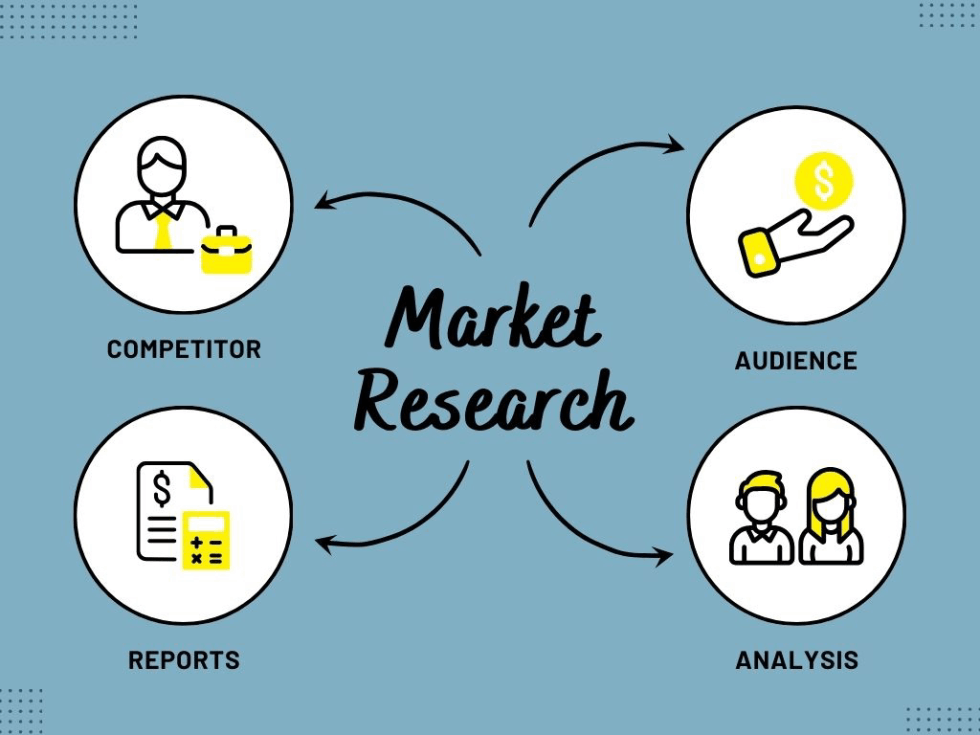
REPORTS

ANALYSIS

AUDIENCE

RESEARCH

Market Selection:
Identifying high-potential markets for transportation expansion based on factors such as trade volume, infrastructure quality, and regulatory environment.

Logistics Network Planning:
Developing logistics network plans that optimize routes, reduce transit times, and enhance reliability.

Partnerships and Alliances:
Forming strategic partnerships and alliances with local and international transportation providers to enhance service offerings and market reach.

LANGUAGE

CULTURE

APPROACH

SUBTITLE

Supply Chain Integration:
Streamlining supply chain operations to enhance visibility, reduce lead times, and optimize inventory levels, including multimodal transportation solutions.

Freight Management:
Assisting in the management of freight operations, including load planning, carrier selection, and freight consolidation.

Last-Mile Delivery Optimization:
Implementing last-mile delivery solutions that enhance efficiency, reduce costs, and improve customer satisfaction.

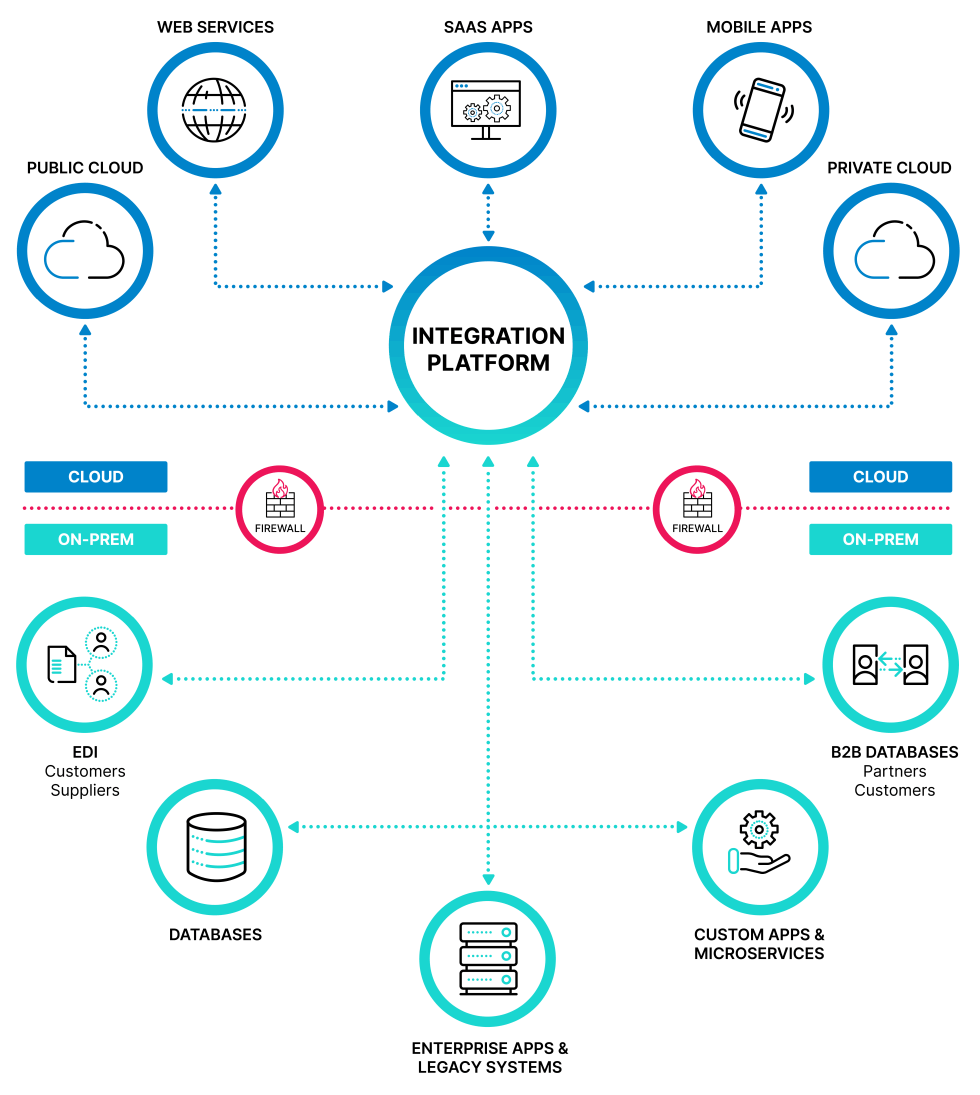
CLOUD

APPLICATIONS

FIREWALL

SERVICES

Telematics and Fleet Management:
Assisting in the adoption of telematics and fleet management systems that enhance operational efficiency, reduce fuel consumption, and improve safety.

Autonomous and Electric Vehicles:
Supporting the adoption of autonomous and electric vehicles in transportation fleets to reduce environmental impact and enhance innovation.

Smart Logistics Solutions:
Promoting the use of smart logistics solutions, such as IoT-enabled tracking, real-time data analytics, and predictive maintenance, to optimize transportation operations.

LICENSE

PROTECTION

REGULATIONS

AGREEMENTS

Green Logistics Initiatives:
Implementing green logistics initiatives, including fuel-efficient routing, alternative fuel adoption, and carbon offset programs, to reduce environmental impact.

Sustainable Transportation Infrastructure:
Assisting in the development of sustainable transportation infrastructure, including electric vehicle charging stations, bike-sharing systems, and public transit networks.

Corporate Social Responsibility (CSR):
Promoting CSR initiatives in transportation, including community engagement, responsible sourcing, and employee well-being programs.

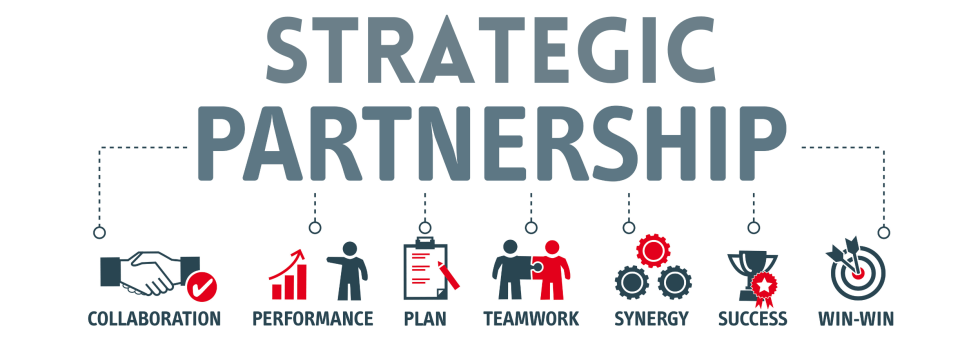
PERFORMANCE

SUCCESS

PLANNING

TEAM WORK

Risk Assessment:
Identifying potential risks associated with transportation operations, including regulatory changes, supply chain disruptions, and natural disasters.

Contingency Planning:
Developing contingency plans to address potential transportation disruptions, such as port closures, weather-related delays, and labor strikes.

Insurance Solutions:
Providing insurance solutions to mitigate risks, including cargo insurance, liability insurance, and business interruption insurance.

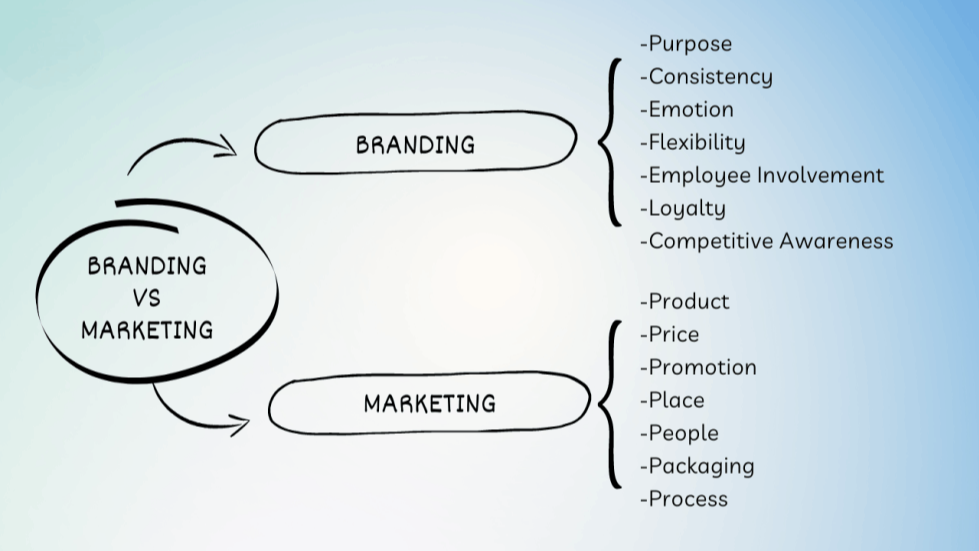
MARKETING

BRANDING

SUPPORT

SUCCESS

Performance Metrics:
Tracking key transportation metrics, such as on-time delivery rates, fuel efficiency, and customer satisfaction, to evaluate success.

Customer Feedback and Improvement:
Regularly collecting and analyzing feedback from customers and partners to improve transportation services and enhance reliability.

Sustainability in Transportation:
Promoting sustainable transportation practices, including emissions reduction, energy efficiency, and green logistics certifications.

CONTINUE

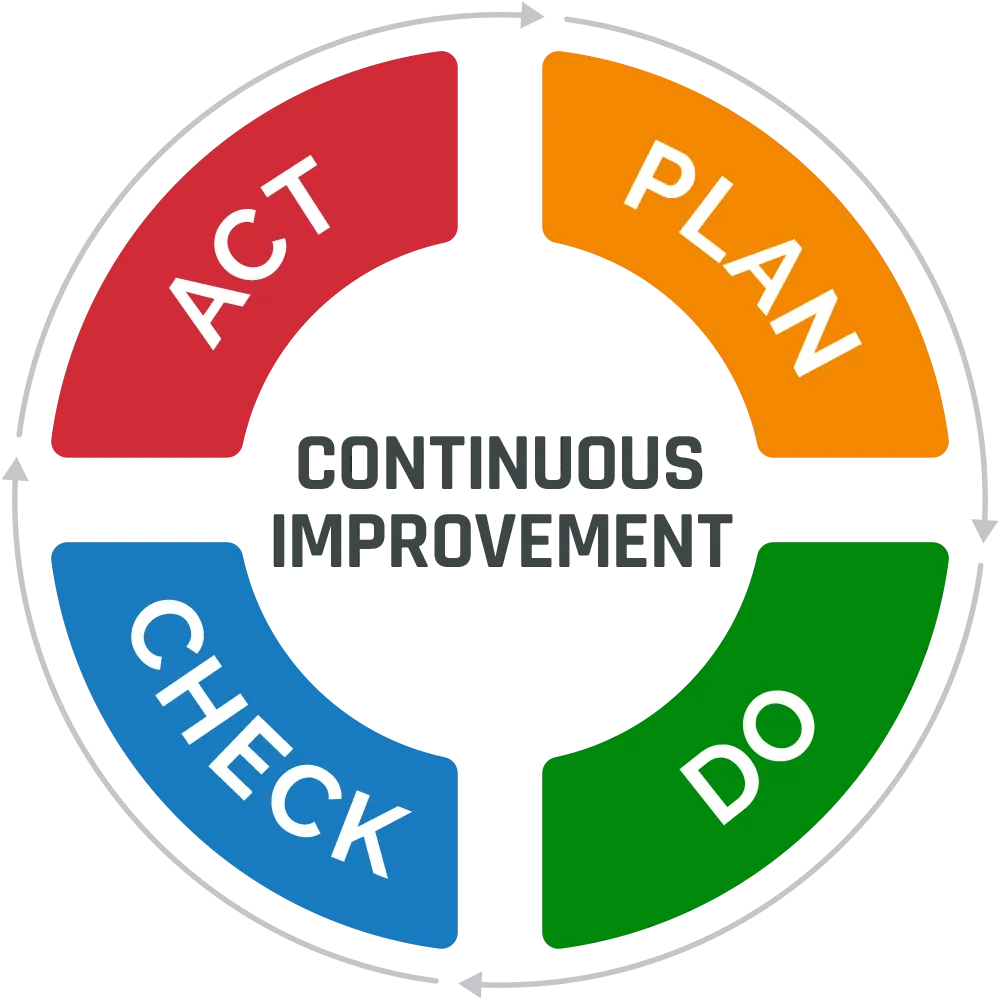
ACT

CHECK

IMPROVEMENT